
Taylor yards aren't small suburban lots. They're bigger, flatter, and dealing with things like goat heads along the fence line, field bindweed that roots six feet underground, and alluvial soil that behaves differently depending on how close you are to the irrigation ditch. Royal Lawn builds programs for exactly this kind of property, no contracts, free inspection, results you can actually see!
Lawn Care in Taylor, UT
Taylor sits on the flat alluvial plains west of Ogden, where the Weber River has been depositing soil for thousands of years. That's actually good news for growing things; the ground here can be genuinely fertile. The less-good news is that the same flat terrain that made Taylor's land worth farming also means drainage runs slowly, irrigation canals carry weed seed from one property to the next, and low spots in a yard can stay waterlogged long after the rest of the lawn has dried out. Add in Weber County's alkaline tendencies, and you've got soil that fights back a little even when you're trying to do right by it.
The weeds out here are a specific cast of characters that anyone who's lived in western Weber County knows well. Puncturevine, goat heads, spreads through Taylor yards and along fence lines every summer without mercy. Field bindweed roots so deep you can pull the tops for a season and still not win. Crabgrass moves into any thin patch the moment soil temperatures hit the right number in April. These aren't just general Utah lawn problems. They're the ones Taylor homeowners deal with specifically, and they require a program that knows the difference between treating a suburban lot in Ogden and treating a larger, flatter, more irrigation-adjacent yard three miles west.
Here's why homeowners throughout Taylor trust Royal Lawn Fertilization & Weed Control with their lawn care:
- Customized six-application program from March to October, timed to western Weber County's growing season
- Both liquid and slow-release fertilizers for optimal nutrient delivery to cool-season Kentucky bluegrass and tall fescue lawns
- Pre-emergent treatments timed specifically for Taylor's spring soil temperatures — before crabgrass, puncturevine, and foxtail get started
- Post-emergent weed treatments targeting field bindweed, dandelions, white clover, spurge, and the broadleaf weeds that thrive in alluvial and irrigation-adjacent soils
- Twice-seasonal grub control to protect root systems from bill bugs common in Weber County turf
- Soil conditioning to improve drainage, reduce compaction, and get nutrients to the root zone in Taylor's variable, river-valley ground
- No contracts required — stay because you love the results
- Family and pet-friendly treatments that are safe for the whole yard, including kids who play on it barefoot all summer
Schedule your free in-person inspection today. We'll walk your Taylor property, take a real look at what's going on, and build a plan around what your lawn actually needs, not a template built for a denser neighborhood somewhere else.
Lawn Care Services in Taylor, UT
Recurring Lawn Care Programs in Taylor
Taylor is unincorporated, which means it functions differently from the surrounding cities, and the lawns reflect that. Properties here tend to run larger. There's more variation in how yards have been managed over the years. Some have been working with real care for decades. Others have been mowed and left to figure out the rest on their own. Both types come with their own set of conditions that a generic program isn't built to handle.
The irrigation infrastructure running through this part of Weber County changes the equation in ways most people don't think about until they have a problem. Secondary water via canal and ditch is genuinely useful for watering a larger lawn without running up a culinary water bill, but it also delivers weed seed directly to your property from whatever's growing upstream. Field bindweed in particular spreads along these corridors relentlessly. High water table areas near low spots or ditch lines stay wetter longer than the rest of the yard, creating conditions where different weeds establish and where standard fertilizer timing doesn't account for how slowly the ground dries and warms in spring.
We look at all of this during your free inspection. The goal isn't to make your Taylor lawn look like a suburban Layton yard with tight sod and no character; it's to make it the best version of what it already is, on your terms.
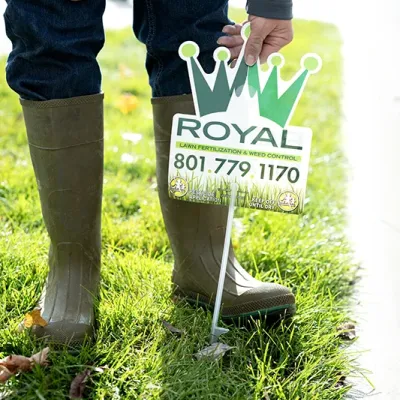
We follow a meticulous process designed to maximize your lawn's health and appearance:
- Thorough lawn inspection to identify soil conditions, drainage patterns, irrigation adjacency, weed pressure by species, and grass health across your specific property
- Customized treatment plan built for Taylor's larger lots, variable soil moisture, and western Weber County weed profile
- Six targeted fertilization applications using both liquid and slow-release products, timed to the actual soil temperature conditions in Taylor, not a calendar date built for a different zip code
- Pre-emergent weed prevention applied before puncturevine, crabgrass, and foxtail reach germination threshold — which in Taylor's flat, irrigation-adjacent terrain often runs slightly later in spring than higher-elevation properties
- Post-emergent treatments targeting field bindweed, dandelions, spurge, and other established broadleaf and grassy weeds, with attention to the species that migrate in from surrounding agricultural and ditch-adjacent land
- Soil conditioning to improve nutrient availability, address compaction from heavier agricultural-type soils, and help water and fertilizer penetrate in both dry and high-moisture areas
- Twice-seasonal grub control to protect roots from bill bugs in Weber County's alluvial soil
- Regular monitoring and adjustments through the full growing season — including how the yard responds after the secondary water season starts in spring
Why Choose Royal Lawn Fertilization & Weed Control For Your Lawn Care Needs
We've been working northern Utah properties for 37 years, including the kinds of semi-rural, irrigation-adjacent yards that are common in western Weber County. Taylor isn't Ogden, and it isn't Layton, and a lawn program built for those places won't account for the specific soil variability, weed pressure, and lot character you're dealing with out here. No contracts, no pressure. We'd rather earn your business season after season than lock you into anything.
No Contracts, No Pressure
Too many lawn care companies lock you into long-term contracts, leaving you stuck even when the results fall short. At Royal Lawn Fertilization & Weed Control, we do things differently because we believe our work should earn your trust, not a signature.
We're confident in what we deliver, and our results speak for themselves. You stay with us because your lawn looks great, not because you're bound to a piece of paper.
Lawn Fertilization and Weed Control in Taylor
Kentucky bluegrass is what most Taylor yards are running, and it's a solid choice for this part of Utah if you support it correctly. Tall fescue shows up in shadier spots and on properties where someone wanted something that could handle a bit more heat and drought stress without constant input. Both are cool-season grasses that want to grow hard in April, May, September, and October, and both go under stress when the summer gets hot and dry, which in northern Utah, it does every year without fail. Consistent fertilization is what keeps them from thinning out during that summer stretch and opening the door for every weed that's been waiting for an opportunity.
The weed situation in Taylor is more layered than what you'd see in a fully suburban neighborhood. Puncturevine is the one people remember, you find it barefoot, or your kid's bike tire goes flat in the driveway, and then you know you've got it. It spreads fast across bare soil and gravel, and once it's established along a fence line or driveway edge, it seeds aggressively into lawn edges every summer. Field bindweed is the patient one; it might only show two inches of vine above the surface, but the root system goes down six feet and spreads horizontally underground. You can kill the tops repeatedly, and it comes back from root segments you never see. Consistent post-emergent treatment over multiple seasons is the only practical approach. Crabgrass and foxtail fill in any thin spots that open up in summer. Dandelions are everywhere, but they're honestly the least of the problems in a Taylor yard with bindweed pressure.
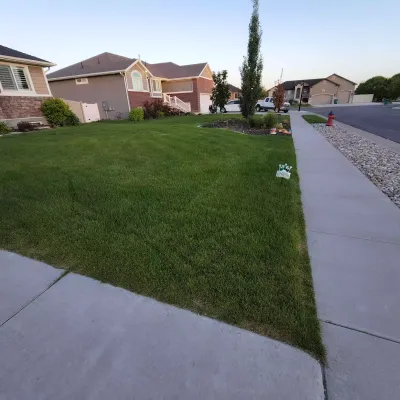
We follow a meticulous process to optimize your lawn's nutrient balance and weed management:
- Thorough inspection to identify nutrient deficiencies, soil drainage and moisture patterns, and the specific weed species — including bindweed and puncturevine — present on your property
- Customized fertilization plan using six targeted applications with liquid and slow-release products to strengthen roots, improve summer drought tolerance, and keep color and density through the full western Weber County growing season
- Pre-emergent treatments timed to Taylor's actual soil temperature window — targeting crabgrass, puncturevine, foxtail, and annual bluegrass before they establish
- Post-emergent treatments for existing broadleaf and grassy weeds, with specific attention to field bindweed management and the weed species that arrive via irrigation water and neighboring agricultural land
- Soil conditioning to address the compaction and drainage variability that comes with alluvial, irrigation-adjacent ground in this part of Weber County
- Regular monitoring and treatment adjustments through the full season, accounting for how secondary irrigation water affects soil conditions in Taylor through late spring and summer
A well-fed Taylor lawn doesn't just look better, it actually competes. Dense, healthy grass shades the soil and makes it genuinely harder for puncturevine, bindweed, and crabgrass to find the bare ground they need to get started. We build toward that density one application at a time, and the difference after a full season is noticeable.
Ready to see what your Taylor yard can actually do? Contact us today to schedule your free lawn inspection!
Frequently Asked Questions About Our Lawn care Services in Taylor
Can I mow right after a fertilization treatment?
We recommend waiting at least 24–48 hours and watering your lawn before mowing after a fertilization treatment. This gives the product time to activate and absorb properly.
How often should my lawn be fertilized?
Most lawns benefit from fertilization every 6 to 8 weeks during the growing season. However, the ideal schedule can vary based on your grass type, soil condition, and local climate.
What kind of fertilizer do you use?
We use professional-grade, slow-release fertilizers tailored to the season and your lawn’s specific needs. Our blends promote long-lasting results while being safe for your lawn, family, and pets when used as directed.
Will fertilization get rid of weeds?
While fertilization promotes a thicker lawn that naturally crowds out weeds, we combine it with targeted weed control for best results. Fertilization alone won’t eliminate existing weeds!
Are your treatments safe for kids and pets?
Yes, of course! Your safety is our top priority. We use products and application methods that are designed to be effective and produce results, while also being safe for humans, pets, and the environment when used as directed. Our technicians are trained to apply treatments with care and responsibility.
How do I know if my lawn needs professional care?
Every lawn can benefit from ongoing care, regardless of its current condition. Professional lawn care helps maintain a healthy, lush lawn, prevents common issues like weeds or pests, and improves overall appearance. Even if your lawn seems fine, regular maintenance can keep it thriving year-round. If you’re noticing signs like uneven growth, thinning grass, brown patches, or insect problems, it may be time for professional care to get your lawn back in top shape.
How do I prepare my landscape for a treatment?
There’s no need to prepare your landscape for treatment! However, you will likely need to water your lawn or landscape after the treatment to help the products work effectively and ensure results.
Is there anything I will need to do to ensure results of my lawn care program?
Yes. While our fertilization, weed control, and disease prevention treatments will significantly improve your lawn’s overall health and appearance, regular mowing and watering - as well as proper drainage - are essential to maximize the benefits. Mowing helps keep your lawn at an optimal height, and consistent watering ensures your grass gets the moisture it needs to thrive. Drainage in your yard is also important as poor drainage can cause turf diseases. All this to say, our lawn care service should be part of your lawn regimen - but not the only thing!
What types of lawn care services do you offer?
Our lawn care services are focused on improving the health of your lawn rather than just its appearance. We offer recurring services like fertilization, weed control, and disease prevention to promote a healthy, vibrant lawn throughout the year. However, we do not provide mowing services as part of our offerings. Our goal is to ensure your lawn is strong, resilient, and well-nourished.
Do I need multiple weed control treatments?
Yes. Weeds grow in cycles, so a single treatment will almost never be enough to eliminate weeds for good. We recommend a season-long weed control program for ongoing prevention and management.
How long does it take to see results from weed treatments?
You may see visible results within 7–14 days of treatment, but some stubborn weeds may require follow-up applications. Regular treatments throughout the season ensure the best long-term results.
What else can I do to prevent weeds?
A healthy, thick lawn is your best defense against weeds. Regular mowing, watering, and fertilization—combined with professional weed control—can drastically reduce weed growth over time.
What types of weeds do you treat?
We target a wide variety of common lawn weeds, including dandelions, crabgrass, clover, nutsedge, and broadleaf weeds. Our technicians are trained to identify and treat both warm- and cool-season weeds specific to your region.
Will the weeds come back?
Weed seeds can remain dormant in your soil, and new ones can blow in from surrounding areas. That’s why ongoing treatments and proper lawn maintenance (like mowing and fertilization) are key to keeping weeds under control.
What role does soil testing play in preparing Utah lawns for winter?
Soil testing before winter allows you to determine nutrient deficiencies and pH imbalances that can affect spring growth. Knowing your soil’s needs helps you apply the right type and amount of fertilizer, avoiding over-application that can harm the environment or under-application that weakens roots. In northern Utah, testing in late fall ensures amendments have time to integrate into the soil before freezing. This simple step gives your lawn a head start for a healthy, thick spring turf.
Exceptional customer service and satisfaction guarantee
We pride ourselves on delivering top-notch customer service. And we guarantee you'll be satisfied with our work. We're not happy unless you are.
Customized Solutions Tailored to Your Specific Lawn Needs
Every lawn is unique, and we get that. That's why we customize our solutions to fit your specific lawn needs. It's all about what works best for you and your green space.
Eco-friendly and sustainable practices for a healthier yard and environment
Eco-friendly? Check. Sustainable? Check. We use practices that are good for both your yard and the environment. We're all about healthy lawns and a healthy planet.
Unmatched Knowledge and Expertise
Trust us, we're real pros when it comes to lawn fertilization and pest control. Over the years, we've gathered a wealth of knowledge and fine-tuned our skills, so you can bet we know what we're doing.
Licensed, Insured, and Certified Professionals
Our team is licensed, insured, and certified. We meet all safety and quality standards, so you know you're in good hands. We've proudly served our community for 30+ years.
Exceptional Customer Service and Satisfaction Guarantee
We pride ourselves on delivering top-notch customer service. And we guarantee you'll be satisfied with our work. We're not happy unless you are.
State-of-the-Art Equipment and Methods
We use the latest and greatest equipment and methods. Our state-of-the-art technology ensures your lawn gets the best treatment possible.